
Chronic Kidney Disease
Chronic Kidney Disease (CKD) Specialists in Greater Atlanta
At Southeast Kidney Associates, our nephrologists provide evaluation, monitoring, and treatment for patients with chronic kidney disease (CKD) in the Greater Atlanta area. Our approach focuses on understanding kidney function, identifying factors that may contribute to kidney damage, and developing individualized plans to help protect kidney health.
What Is Chronic Kidney Disease?
Chronic kidney disease is a long-term condition in which the kidneys are damaged or gradually lose their ability to function effectively. Healthy kidneys filter waste and excess fluid from the blood while helping maintain important balances within the body.
Diabetes and high blood pressure are common causes of CKD, although other diseases and conditions can also damage the kidneys. Because early kidney disease may cause few noticeable symptoms, blood and urine testing can be important for detecting and monitoring CKD.


What are the Symptoms of CKD?
Most patients will not have severe symptoms until CKD is advanced. Early symptoms of CKD include:
- Fatigue or reduced energy
- Swelling in the feet or ankles
- Changes in urination
- Muscle cramps
- Difficulty concentrating
- Dry or itchy skin
- Difficulty sleeping
- Reduced appetite
These symptoms can have many causes. A medical evaluation is necessary to determine whether they are related to kidney disease.
What are the Stages of CKD?
CKD is categorized into stages using estimated glomerular filtration rate (eGFR) and other evidence of kidney damage.
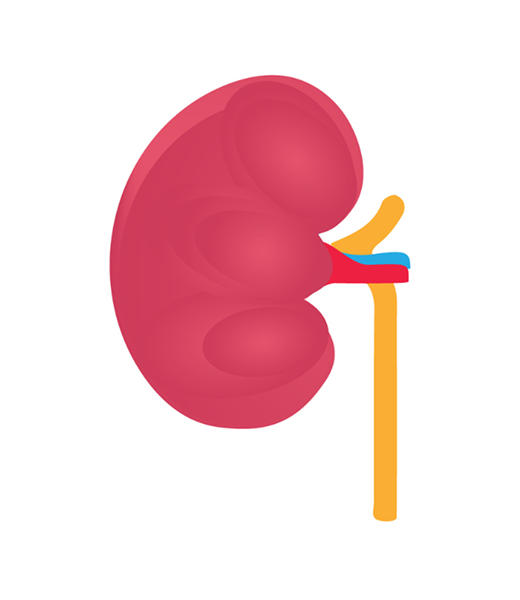
Stage 1
eGFR 90
- or higher with evidence of kidney damage
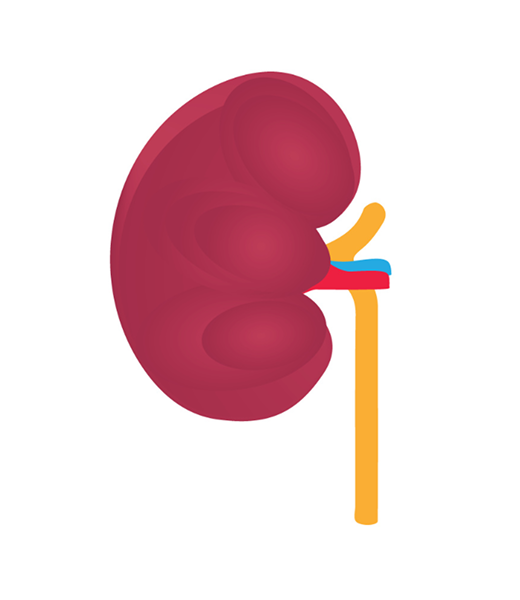
Stage 2
eGFR 60 – 89
- with evidence of kidney damage
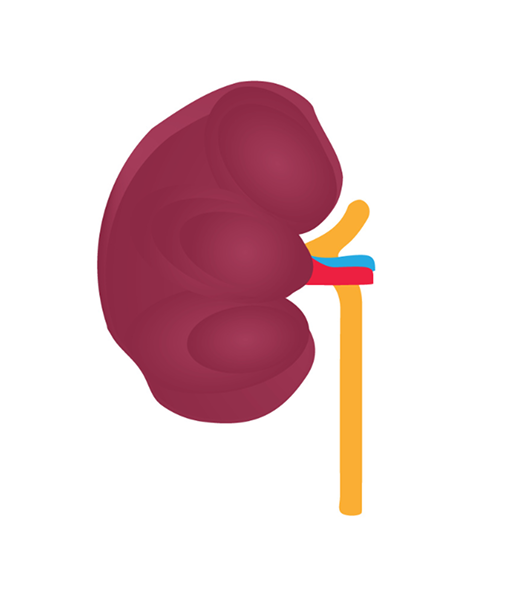
Stage 3a
eGFR 45 – 59
Stage 3b
eGFR 30 – 44
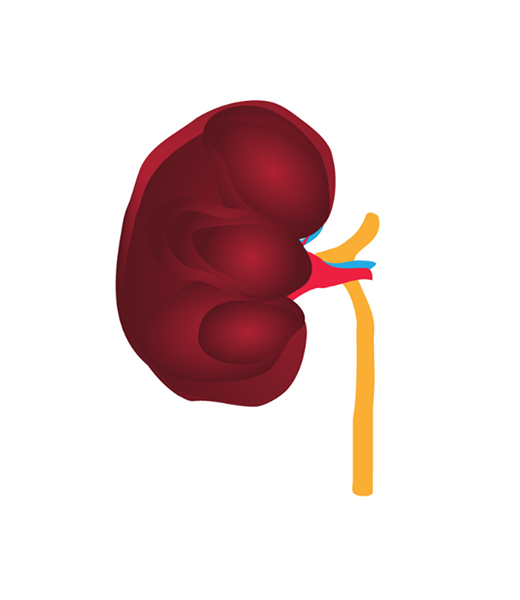
Stage 4
eGFR 15 – 29
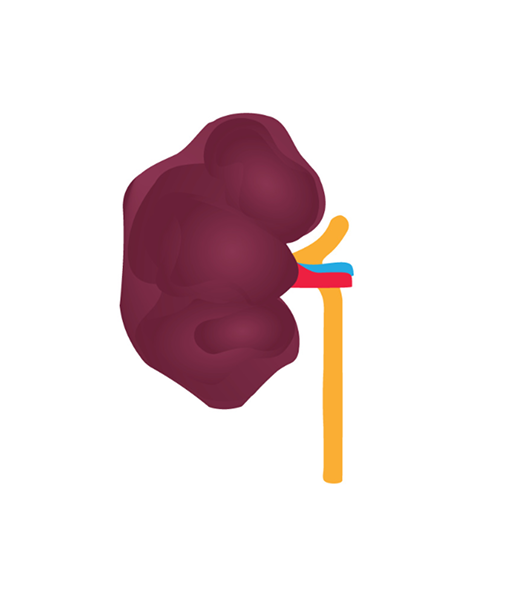
Stage 5
eGFR below 15
Your nephrologist may also use urine testing, medical history, and other clinical information to evaluate kidney health.
Treating Chronic Kidney Disease at Southeast Kidney in Metro Atlanta
CKD treatment depends on the cause and severity of kidney disease and the patient’s overall health. Management may involve controlling high blood pressure or diabetes, reviewing medications, addressing complications, and making appropriate dietary or lifestyle changes.
Regular monitoring allows your kidney specialist to follow changes in kidney function and adjust recommendations when necessary.
When kidney function becomes severely reduced, a nephrologist may discuss kidney replacement options such as dialysis or kidney transplantation. Not everyone with CKD will require these treatments.

Chronic Kidney Disease Care in Greater Atlanta
Southeast Kidney Associates provides nephrology care for CKD and related kidney conditions, including diabetic kidney disease, end-stage kidney disease, polycystic kidney disease, pregnancy and kidney disease, and minimal change disease.
If you have abnormal kidney function results, reduced eGFR, protein in your urine, or an existing CKD diagnosis, our kidney specialists in Greater Atlanta can evaluate your condition and help determine appropriate next steps.
At home, sticking to your treatment plan, maintaining a healthy diet, and keeping up with regular check-ups can greatly support your recovery process.
Frequently Asked Questions About CKD
Can you have CKD without symptoms?
Yes. Early chronic kidney disease may cause few or no noticeable symptoms, making blood and urine testing important for identifying changes in kidney health.
Does everyone with CKD need dialysis?
No. Many people with CKD do not progress to kidney failure. Dialysis may be considered when kidney function becomes severely reduced and a patient’s clinical condition indicates it is needed.
What does eGFR tell you?
eGFR estimates how effectively the kidneys filter blood. Healthcare providers use it along with other clinical information to assess and monitor kidney function.
When should I see a nephrologist?
A nephrologist may be appropriate if you have reduced kidney function, persistent urine abnormalities, declining eGFR, complications of kidney disease, or another condition affecting your kidneys.
Request an appointment with Southeast Kidney Associates for chronic kidney disease care in Greater Atlanta.