
Rhabdomyolysis
Rhabdomyolysis Doctor in the Greater Atlanta Area
What Is Rhabdomyolysis?
Rhabdomyolysis — often called “rhabdo” — happens when muscle tissue breaks down rapidly and releases a protein called myoglobin and other toxins into your bloodstream. Your kidneys then have to filter out large amounts of these toxins, which can lead to acute kidney injury (AKI).
It’s a condition that can escalate quickly, which is why kidney involvement needs to be monitored and treated without delay.
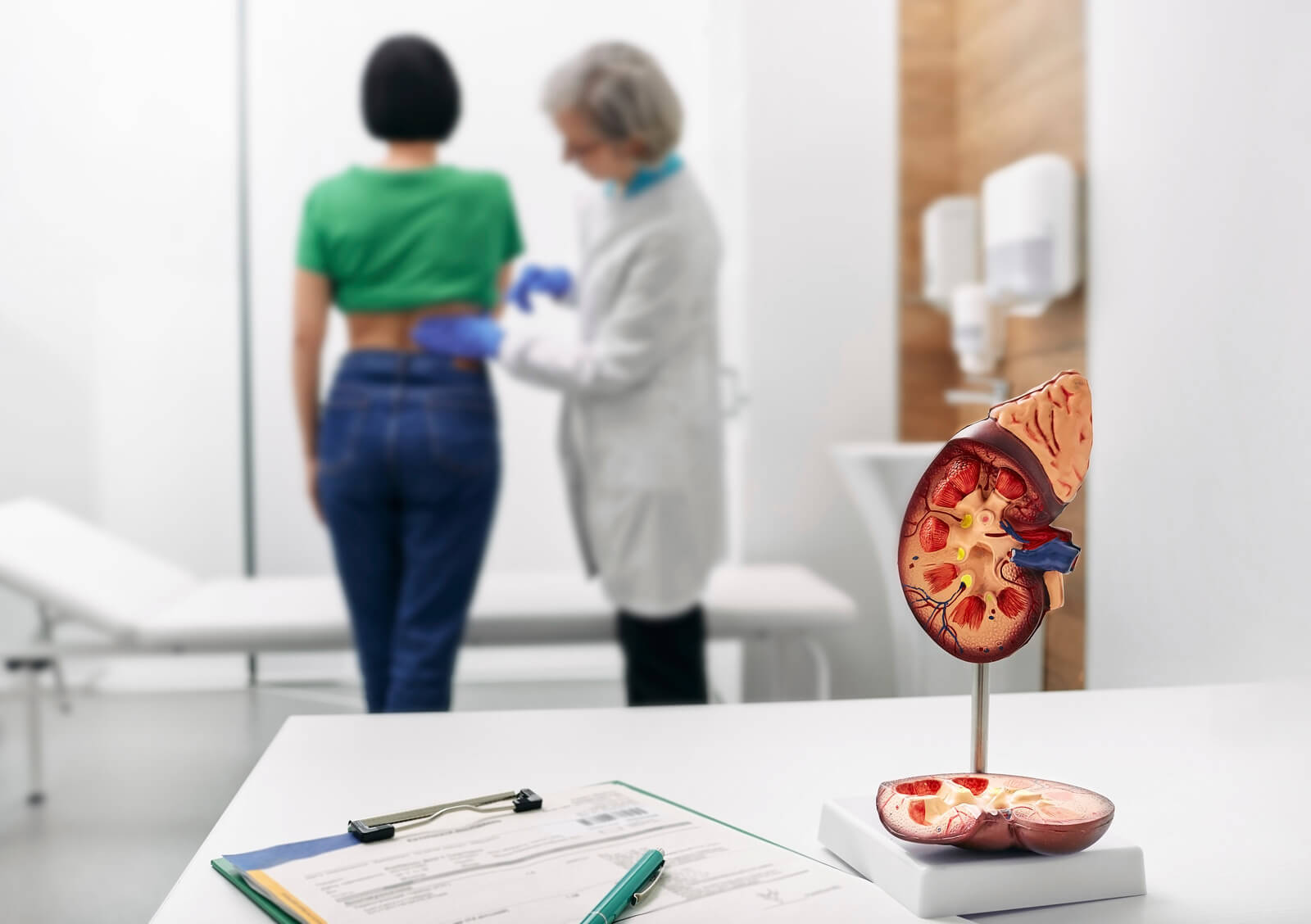
What Causes Rhabdomyolysis?
The most common triggers involve significant muscle stress or damage:
- Intense physical exertion — including extreme exercise, especially in people who aren’t conditioned for it
- Crush injuries or trauma — from accidents, falls, or prolonged pressure on muscles
- Certain medications — most notably statins (cholesterol-lowering drugs), but also some antipsychotics and other drug classes
- Drug or alcohol use — both can directly damage muscle cells
- Extreme body temperature changes — heat stroke or prolonged seizures
- Infections or viral illness
- Electrolyte imbalances — particularly low potassium or phosphorus levels
- Genetic muscle disorders — some people are predisposed due to inherited conditions

What Are the Symptoms?
Classic rhabdomyolysis symptoms include:
- Dark, brown, or tea-colored urine (a hallmark sign of myoglobin in the urine)
- Muscle pain, weakness, or swelling — often in the thighs, shoulders, or lower back
- Decreased urine output
- Nausea, vomiting, or fatigue
- Confusion (in severe cases)
If you notice dark urine following strenuous exercise, an injury, or starting a new medication, seek medical attention promptly. That color change is a signal your kidneys need help.
How Is Rhabdomyolysis Diagnosed?
Diagnosis involves blood and urine testing. Your provider will check:
- Creatine kinase (CK) — a muscle enzyme that spikes dramatically when muscle is breaking down
- Kidney function markers — creatinine and BUN
- Electrolytes — rhabdomyolysis commonly causes dangerous shifts in potassium, calcium, and phosphorus
- Urine myoglobin — to confirm muscle protein is being filtered through the kidneys
How Is Rhabdomyolysis Treated?
The priority is protecting the kidneys. Treatment typically involves:
- IV fluids — aggressive hydration is the cornerstone of treatment. It helps flush myoglobin and other toxins through the kidneys before they cause lasting damage.
- Electrolyte correction — imbalances are carefully managed, especially potassium levels, which can become dangerously high
- Monitoring kidney function — closely watching labs to catch AKI early
- Dialysis — in severe cases where the kidneys are overwhelmed and can’t filter adequately on their own, temporary dialysis may be required
When treated early, most patients recover full kidney function. However, if treatment is delayed or the muscle breakdown is extensive, some degree of permanent kidney damage is possible.

The Role of a Nephrologist
Nephrologists play a vital role in caring for patients with rhabdomyolysis. They provide aggressive hydration to help protect the kidneys and optimize recovery, and they expertly manage the blood chemical imbalances that often occur as complications of the condition. When initial treatments are not enough to stabilize kidney function, nephrologists step in to deliver dialysis, ensuring patients remain safe until their kidneys are able to recover.
Southeast Kidney Associates works alongside your emergency or primary care team to protect your kidney function and manage recovery. If you’ve been hospitalized for rhabdomyolysis and are following up on kidney function, or if you’ve been referred for evaluation, we’re here to help.